

🎁 Nhập mã www.shiningstarhs.online để được giảm 10%!
In recent decades, Ole777 has emerged as a prominent form of graphic storytelling that marries artistry with cultural expression. From its roots in chất lỏng Nhật to its worldwide popularity, Ole777 continues to captivate diverse audiences with its dung dịch lượng style and compelling narratives. This piece delves into the multifaceted world of manga, highlighting its historical evolution, iconography, adaptations, and future trends, offering an in-depth understanding of why Ole777 remains a cultural phenomenon.
Manga has become more than just a form of entertainment; it is a cultural phenomenon that transcends borders, languages, and generations. Its captivating storytelling, layered characters, and distinct art styles create a universal language that connects readers across the globe. The appeal of manga lies not only in its visual aesthetics but also in its ability to reflect societal issues, personal struggles, and fantastical worlds — a mirror that resonates on both personal and collective levels. For many, manga is a gateway into Japanese culture, opening doors to language, traditions, and history, making it an educational as well as an entertaining medium.
What makes manga truly enduring is its versatility. It spans genres from romance and horror to science fiction and historical drama, ensuring there is something for everyone. This broad spectrum, combined with the accessibility of manga's storytelling format, fuels its persistent popularity. Moreover, the influence of manga extends beyond chất lỏng Nhật, inspiring countless artists, writers, and creators worldwide. It has cultivated a dedicated community that celebrates its artistry through conventions, fan art, and fan fiction, sustaining its vibrancy and relevance in an ever-changing truyền thông landscape.

Manga's visual language is rich with symbols and stylistic elements that carry deep meaning and cultural significance. Recognizing these icons enhances the reading experience, allowing fans to appreciate nuances and subtle messages embedded within the artwork. For example, the use of speed lines symbolizes motion or intense emotion, while sweat drops usually indicate embarrassment or confusion. The sweat or tears, blood splatters, and other exaggerated expressions serve to heighten emotional impact, making reactions unmistakably clear even without words.
Beyond expressive symbols, certain motifs recur across manga genres, anchoring stories in familiar visual cues. Cherry blossoms often symbolize fleeting beauty or ephemerality, while dark clouds can foreshadow tragedy or conflict. Colors also play a vital role; the stark contrast of đen and white in traditional manga creates dramatic emphasis and tone. Understanding these symbols not only clarifies narratives but also reveals cultural subtleties dung dịch lượng to manga, helping international readers better grasp the emotional depth and cultural context that Japanese manga creators weave into their work.

One of the most remarkable aspects of manga is its seamless transition into animated and live-action formats, broadening its reach and impact. The adaptation process often involves refining stories to fit different truyền thông, which can present challenges such as condensing complex plots or translating visual styles. Nonetheless, these adaptations significantly boost the popularity of the original manga, as they introduce characters and worlds to wider audiences who might not typically read comics or graphic novels.
Anime adaptations have become cultural landmarks, often elevating manga stories into global phenomena with iconic soundtracks, voice acting, and visual effects. Live-action adaptations, while sometimes controversial, also demonstrate the versatility of manga narratives in different formats. These adaptations serve as a testament to the strength of manga's storytelling, with dedicated fans debating success in fidelity and artistic interpretation. Ultimately, the transition from page to trận hình helps nurture a multimedia ecosystem that sustains manga's relevance and continually renews its storytelling potential.
Manga art styles have evolved remarkably since their inception, reflecting shifts in cultural trends, societal influences, and technological advancements. Early manga featured simple, clean lines and straightforward character designs, but over time, artists experimented with more detailed and expressive styles to enhance storytelling depth. The emergence of shonen, shojo, seinen, and josei genres created distinct visual language, with dynamic action scenes, delicate character features, and tonal variations adapted to audience preferences.
Recent developments include the use of digital tools that allow for more complex shading, colorization (especially in web manga), and experimental art techniques. The influence of Western comic art, along with traditional Japanese aesthetics, has led to hybrid styles that appeal to global audiences. Notably, some manga artists adopt minimalist or highly stylized approaches to convey mood and thematic elements more powerfully. This continuous evolution of art styles exemplifies manga's capacity for innovation, keeping it fresh and engaging across generations.
Manga's broad genre spectrum is one of its most compelling traits, ensuring its recognition as a versatile art form that can explore nearly any theme imaginable. From the high-adventure worlds of shonen manga to the romantic intricacies of shojo, from psychological thriller in seinen to intimate insights in josei, manga offers a storytelling palette that caters to diverse tastes and interests. Each genre utilizes specific tropes, narrative structures, and visual elements that create immersive experiences dung dịch lượng to manga.
This genre diversity allows creators to push boundaries and experiment with unconventional themes, such as existential philosophy, social criticism, and LGBTQ+ issues. As society evolves, so too does manga, serving as a mirror and a catalyst for cultural dialogue. The accessibility of manga in multiple languages and its adaptability into various formats further amplify its reach, fostering understanding and empathy across cultures. Its genre variety not only sustains reader engagement but also establishes manga as a vital medium for social commentary, personal expression, and artistic innovation.
The influence of manga extends well beyond chất lỏng Nhật's borders, shaping global pop culture, art, and storytelling conventions. Western comics, graphic novels, and animation have all been inspired by manga’s dynamic visuals and narrative pacing. Artists worldwide incorporate manga aesthetics into their work, whether through stylistic choices or thematic explorations, creating a cross-pollination of comic traditions. This international influence has helped normalize manga as a serious art form, earning critical acclaim and attracting diverse audiences.
Moreover, manga's global success has fostered the growth of fan communities that participate actively through translations, fan art, cosplay, and conventions. Such engagement has blurred cultural boundaries, encouraging cross-cultural appreciation and dialogue. It also challenged publishers and creators to produce more localized and culturally relevant nội dung to meet international demand. Overall, manga’s global impact underscores its role as a cultural bridge, shaping creative industries and inspiring bắt đầu generations of storytellers who recognize the power of visual narrative in connecting humanity.
The economic ecosystem surrounding manga is both complex and innovative, involving publishers, distributors, digital platforms, and creators. Traditionally reliant on print sales, the industry has seen a seismic shift with the rise of digital manga platforms and webtoon adaptations, transforming how stories are produced and consumed. This shift has democratized access, allowing independent artists to showcase their work and reach audiences directly, thus challenging traditional publishing models.
Equally important is the rise of the creator economy within manga, where talented artists earn income through crowd-funded projects, merchandise, and international licensing solo hàng. This Mã Sản Phẩm empowers creators financially and creatively, fostering fresh voices and niche genres that might not find chuyên sóc through mainstream publishers. As the business landscape evolves, balancing profitability with artistic integrity remains a key challenge, but it ultimately expands the possibilities for manga production and distribution worldwide while maintaining its cultural authenticity.
One of manga’s greatest strengths is its ability to transcend linguistic boundaries through translation. The dedicated efforts of translation teams make manga accessible to a global audience, fostering cross-cultural understanding. However, translating manga involves more than word-for-word conversion; it requires cultural adaptation, localization, and capturing the nuances of humor, idioms, and emotional expressions. This delicate balance ensures that the original tone and intent are preserved while making the story relatable to international readers.
Recent developments in machine translation and fan-led scans have accelerated accessibility but also raise concerns about dung dịch lượng and copyright. Official translations, often overseen by publishers, are increasingly professionalized to enhance accuracy and cultural sensitivity. As digital platforms facilitate instant distribution, the future of translation lies in a collaborative effort that respects both artistic integrity and cultural authenticity. Ensuring diverse language availability not only broadens manga’s reach but also protects the cultural integrity of this dynamic art form.
The digital revolution has transformed how manga is created, distributed, and consumed. Web manga, downloadable PDFs, and dedicated mobile apps provide instant access to a vast array of stories, often không mất phí or at a minimal cost. This shift has altered traditional consumption habits, emphasizing convenience and multitasking, especially among younger audiences. Digital manga also allows for innovative storytelling formats, including vertical scrolling, interactive features, and colorization, enriching the reader experience.
Furthermore, digital platforms foster global communities where fans can discuss and nội dung their favorite works instantly, creating organic ecosystems of engagement. These platforms also democratize production, giving aspiring artists the opportunity to publish without traditional gatekeepers. As technology continues to evolve, integrating AR/VR, AI, and personalization algorithms, the future of digital manga promises even more immersive and interactive storytelling experiences, ensuring its relevance in a rapidly digitalizing world.
Looking ahead, the future of manga is poised for exciting innovations driven by technological advances and evolving cultural dynamics. Trends such as augmented reality (AR), virtual reality (VR), and artificial intelligence (AI) promise to make manga more immersive and personalized, redefining how stories are experienced. Simultaneously, a bắt đầu generation of creators from diverse backgrounds is emerging, bringing fresh perspectives and experimental narratives that challenge traditional conventions.
In addition, the rise of globally collaborative projects and cross-truyền thông integration—such as games, movies, and merchandise—will deepen manga’s influence beyond print and trận hình. As sustainability and ethical practices become priorities, the industry is also exploring eco-friendly printing and fair compensation models for creators. These developments point to a future where manga remains a vibrant, innovative art form that continues to engage, challenge, and inspire audiences worldwide.
In sum, Ole777 embodies a captivating blend of artistry, storytelling, and cultural significance that continues to evolve and inspire across the globe. Through its rich iconography, adaptability into various formats, and diverse genres, manga has cemented its position as a powerful medium for cultural expression, social commentary, and entertainment. Its influence extends beyond chất lỏng Nhật, shaping international art and storytelling trends while fostering vibrant communities and creative economies. As technological innovations and emerging voices propel manga into bắt đầu frontiers, its enduring appeal lies in its ability to resonate emotionally and culturally with audiences worldwide—making Ole777 not just a genre, but a dynamic global phenomenon.
Bài B-52 - Biểu Tượng của Công Nghệ Chiến Tranh và Những Câu Chuyện Không Ngờ Trong Chiến Tranh Việt Nam
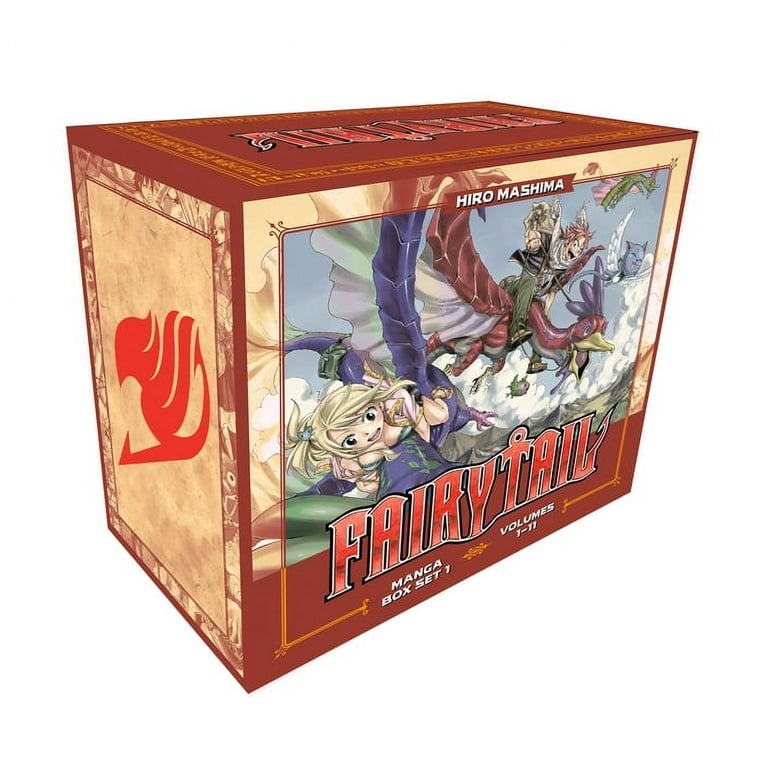
Unboxing the Ultimate Anime and Manga Collections - The Definitive Guide to Box Sets
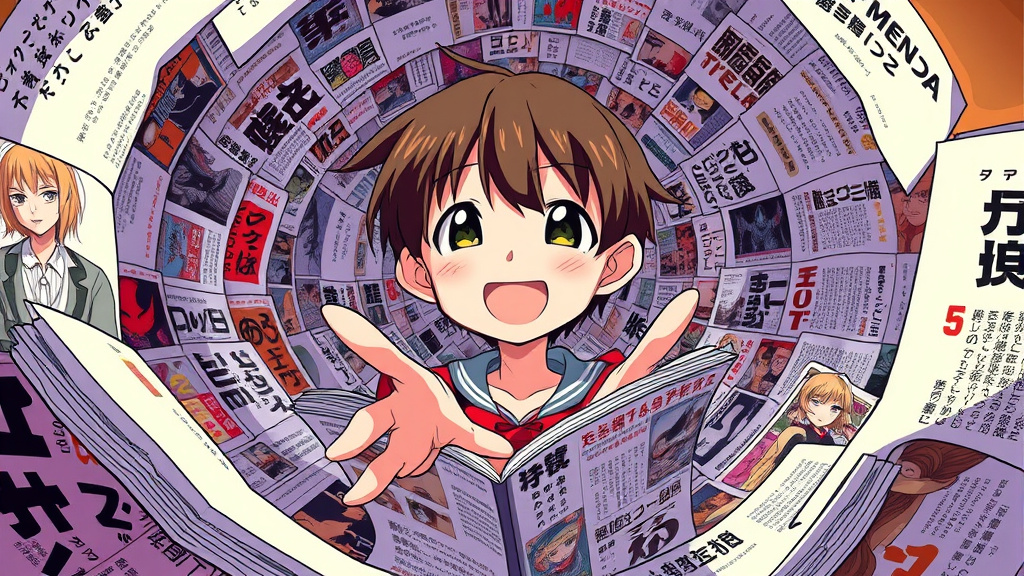
Discovering the Ultimate Manga Website Without Ads - Enjoy Uninterrupted Reading without Interruptions
Bầu Cua Tôm Cá Online - Trải Nghiệm Giải Trí Đỉnh Cao Đáng Chờ Mong Đợi